
Internal medicine covers the diagnosis and management of complex or chronic conditions affecting the internal organs, including the liver, kidneys, gastrointestinal system, endocrine glands, and immune system.
At North Richmond Veterinary Hospital, we offer a thorough and compassionate approach to investigating your pet’s symptoms using in-house diagnostics such as blood tests, imaging, and specialised monitoring.
While we are not registered veterinary medicine specialists, our experienced team is skilled in managing a wide range of medical cases and will work closely with referral centres when advanced care is required.
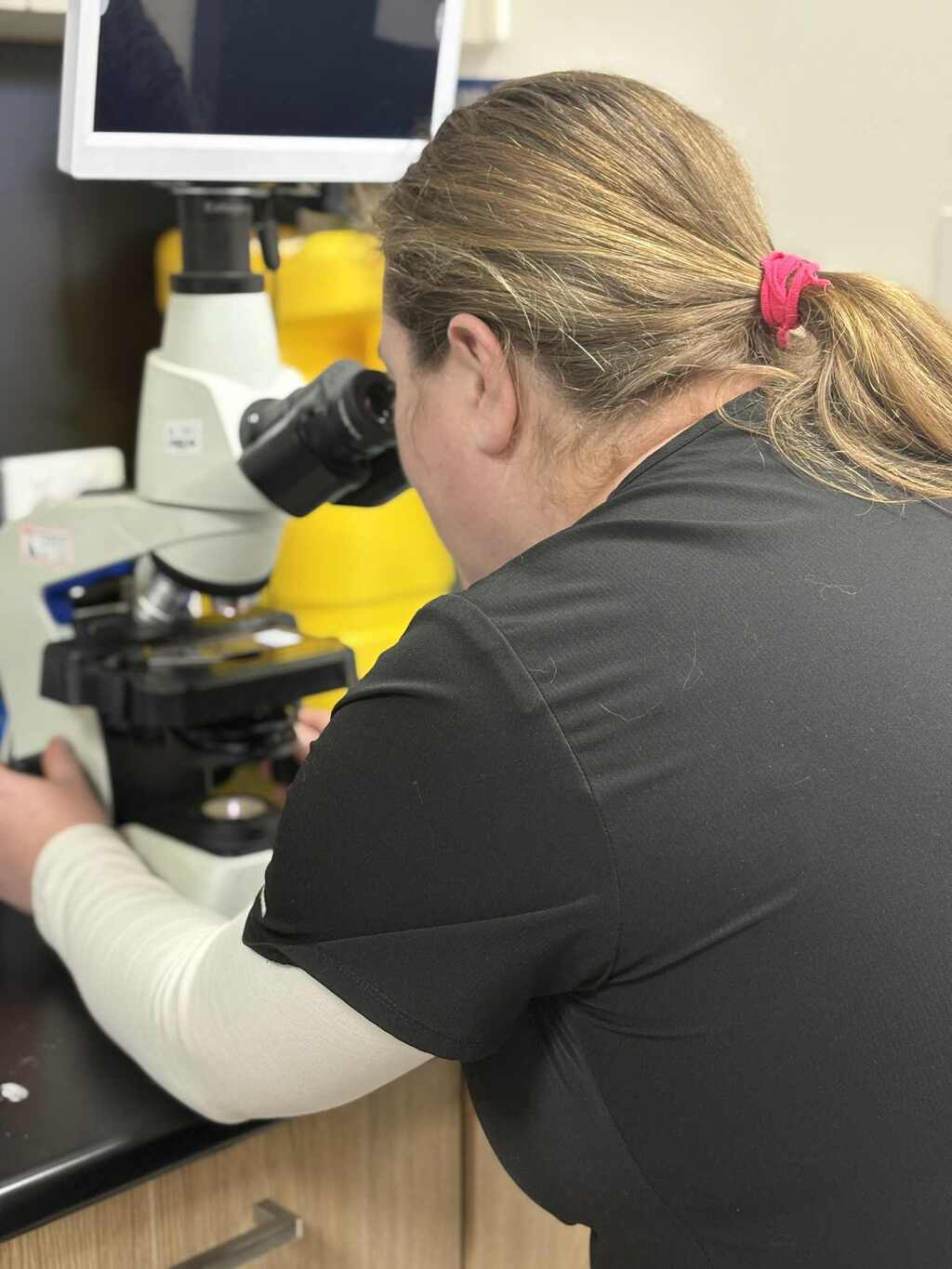
Follow the button below to view information handouts on some of our internal medicine procedures!
Follow the button below to view some of our patient success stories!
Follow the button to book a consult with a veterinarian today!
Chronic Kidney Disease (CKD) and Acute Kidney Injury (AKI) are common conditions in both dogs and cats that affect the kidneys' ability to filter waste and maintain fluid balance
Diabetes mellitus and diabetes insipidus are hormonal disorders that affect your pet’s ability to regulate sugar or water balance, requiring careful diagnosis and long-term management
Pancreatitis is an inflammatory condition of the pancreas that can cause symptoms such as vomiting, abdominal pain, lethargy, and loss of appetite. It can range from mild to life-threatening and may be triggered by factors like fatty meals, underlying disease, or unknown causes
Cushing’s disease is a hormonal disorder caused by excess cortisol production, often leading to symptoms like increased thirst, hunger, and panting
Addison’s disease, is a hormonal disorder where the adrenal glands fail to produce enough essential hormones, leading to symptoms like weakness, vomiting, and collapse. It can be life-threatening if untreated but is manageable long-term with medication and regular monitoring once diagnosed
Urinary tract infections (UTIs) are common in both dogs and cats and can cause signs such as frequent urination, straining, accidents in the house, or blood in the urine.
Hyperthyroidism is a common condition in older cats caused by overproduction of thyroid hormone, leading to symptoms like weight loss, increased appetite, hyperactivity, and vomiting
Hypothyroidism is a hormonal condition most commonly seen in dogs, where the thyroid gland doesn’t produce enough thyroid hormone. It can cause symptoms like weight gain, lethargy, hair loss, and skin changes
Asthma is a respiratory condition seen in both cats and dogs, characterised by inflammation and narrowing of the airways, leading to coughing, wheezing, and difficulty breathing
Tracheal collapse is a condition where the windpipe (trachea) becomes weakened and flattens, making it difficult for air to pass through - most commonly seen in small breed dogs. Symptoms can include a honking cough, difficulty breathing, and exercise intolerance. Diagnosis is typically confirmed with imaging.
A Complete Blood Count (CBC) measures the levels of red blood cells, white blood cells, and platelets in your pet’s blood. It helps detect conditions such as infection, inflammation, anaemia, clotting disorders, and some immune-related diseases.
A biochemistry panel evaluates the function of your pet’s internal organs, including the liver, kidneys, and pancreas, as well as electrolyte and protein levels. It is commonly used to diagnose metabolic disorders, monitor chronic diseases, and assess organ health before surgery or medication use
A coagulation test (including PT and APTT) measures how well your pet’s blood is clotting by evaluating the function of various clotting factors. It is used to detect bleeding disorders, assess liver function, or check for clotting risks before surgery
A thyroid test measures the levels of thyroid hormones (such as T4) in your pet’s blood to assess thyroid gland function. It helps diagnose conditions like hyperthyroidism in cats and hypothyroidism in dogs, which can affect metabolism, energy levels, and overall health.
A progesterone test measures the level of the hormone progesterone in the blood and is most commonly used to determine the optimal timing for mating or artificial insemination in breeding animals. It can also help assess reproductive health and confirm ovulation or pregnancy stages.
A proBNP test measures levels of a cardiac biomarker released when the heart muscle is stretched or under stress. It helps detect and monitor heart disease, particularly in cases of suspected congestive heart failure or cardiomyopathy in dogs and cats.
A faecal analysis examines a stool sample to check for the presence of intestinal parasites, eggs, or abnormal bacteria. It helps diagnose issues like worm infestations, giardia, or digestive imbalances that may cause diarrhoea, weight loss, or poor condition
A urinalysis evaluates your pet’s urine to assess kidney function, hydration status, and detect signs of infection, crystals, or underlying disease. It’s a valuable tool for diagnosing urinary tract infections, diabetes, kidney disease, and bladder stones.
Pancreatic lipase tests (including cPL for dogs and fPL for cats) measure levels of pancreatic enzymes to assess for inflammation of the pancreas. These tests are commonly used to diagnose or rule out pancreatitis, especially in pets showing signs like vomiting, abdominal pain, or loss of appetite.
Point-of-care (POC) infectious disease screening involves quick, in-clinic tests to detect specific infections such as parvovirus, giardia, and heartworm. These tests provide rapid results to help diagnose serious illnesses, guide immediate treatment, and protect other animals through early detection.
A Fine Needle Aspirate (FNA) is a minimally invasive procedure where a small needle is used to collect cells from a lump, organ, or fluid for microscopic examination. It helps determine whether a mass is benign, inflammatory, or potentially cancerous, aiding in diagnosis without the need for immediate surgery.
Blood typing determines your pet’s blood group, which is essential before performing a blood transfusion to reduce the risk of a serious reaction.
We focus on proactive, preventative care, e.g. tailored vaccination schedules, internal and external parasite control, routine health checks, dental care, and nutritional advice - in order to keep your pet healthy
We perform a wide range of soft tissue surgeries for cats, dogs, rabbits, rats, guinea pigs, and ferrets etc. These procedures include lump removals, wound repairs, desexing, bladder stone removal, and gastrointestinal surgery.
Our team is experienced in performing orthopaedic surgery in small animals, such as cruciate ligament repairs, fracture fixation, and joint stabilisation etc. We aim to restore comfort and function so your pet can move with ease again.
We diagnose and treat BOAS in both dogs and cats, particularly in flat-faced breeds like Pugs, French Bulldogs, and Persians. Our surgical treatments aim to improve breathing by a combination of surgical techniques
Our team excels in diagnosing and managing complicated medical conditions that affect oragns like kidneys, liver, the gastrointestinal tract, endocrine system etc. Blood tests, imaging (x-ray or ultrasound), CT, endoscopy and flurscopy are available.
Our hospital is equipped with digital X-ray, ultrasound, CT scanning, and fluoroscopy, allowing us to examine internal structures in detail. These tools help us diagnose a wide range of conditions, from fractures and organ issues to gastrointestinal and respiratory disorders
We provide ophthalmology services, including diagnosis and treatment of conditions e.g. cataracts, glaucoma, corneal ulcers, dry eye, and eyelid abnormalities.
We provide specialised reproductive services for dogs, including semen analysis, artificial insemination (AI), pregnancy diagnosis, and elective or emergency caesareans.
With experience in reptile husbandry and medicine, our team can diagnose and treat a wide range of conditions, from nutritional and metabolic disorders to respiratory infections and injuries. We also provide routine health checks, parasite control, and surgical services.
Small mammals like rabbits, guinea pigs, ferrets, and rats have unique health needs. We offer tailored veterinary care including health checks, dental treatment, desexing, and surgery - delivered with the expertise and compassion these special pets deserve.
We offer care for pet birds, from budgies to parrots to chickens, including health checks, beak and nail trims, diagnostics, and treatment of common illnesses. Our team understands the unique anatomy and needs of avian species.
Managing chronic pain e.g. osteoarthritis, IVDD, chronic ear infections, degenerative joint disease, and old injuries etc. is key to maintaining your pet’s comfort and quality of life. Our goal is to reduce discomfort and keep your pet active and happy at every stage of life
From anxiety to aggression, behavioural issues can impact your pet’s wellbeing and your bond with them. We provide behavioural medicine services to help identify the root cause and create tailored treatment plans
While we currently offer limited services for large animals, we are actively working on expanding our capabilities in this area. Our goal is to provide comprehensive care for small ruminants and other livestock in the near future. Stay tuned as we grow our services to better support the needs of our wider animal community.
For our existing clients, we offer emergency after hour consultations and surgeries if needed.